Torque wrenches provide precision and control when tightening bolts and nuts, ensuring a proper fit and preventing damage to equipment. With various designs and capabilities, selecting the right one can create confusion and selecting the wrong tools can be costly. This comprehensive guide explores the distinct types of torque wrenches, their applications, and factors to consider when making a choice.
What Is a Torque Wrench?
A torque wrench is a specialised tool designed to apply a specific level of force to fasteners. Unlike standard wrenches, it measures and limits torque, which ensures bolts and nuts are not over-tightened or under-tightened. From automotive repairs to industrial applications, torque wrenches are critical for tasks requiring precision.

1. Beam-Type Torque Wrenches: The Simplest Design
Beam torque wrenches are the most basic variant, featuring a long beam and a smaller scale bar that deflects to indicate applied force.
- Features: No moving parts, making them durable and cost-effective.
- Common Applications: Suitable for low-precision jobs like assembling bicycles.
- Advantages: Simple operation and minimal maintenance.
2. Click-Type Torque Wrenches: Precision Made Easy
One of the most popular types, the click-type torque wrench offers audible feedback when the desired torque is achieved.
- How It Works: A spring mechanism inside the handle triggers the click sound when force reaches a preset level.
- Best For: Automotive repair and machinery assembly.
- Advantages: High accuracy and user-friendly design.
3. Dial Torque Wrenches: Visual Precision
Dial torque wrenches display readings on a dial gauge, allowing users to monitor applied force visually.
- Key Characteristics: Exceptional accuracy for sensitive applications.
- Ideal Scenarios: Quality control in manufacturing or laboratory use.
- Benefits: Precise measurements and minimal error rates.
4. Hydraulic Torque Wrenches: Power for Heavy Loads
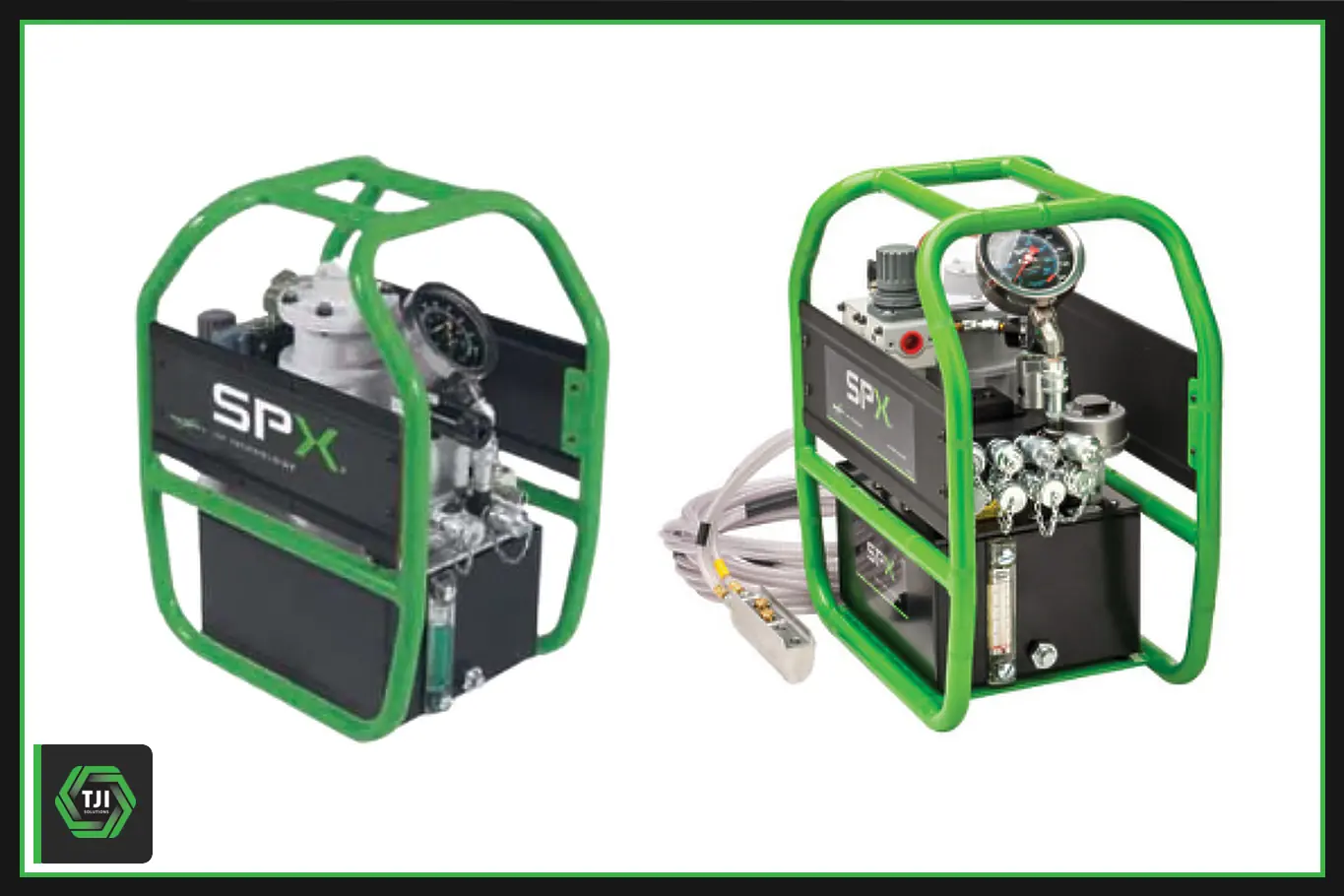
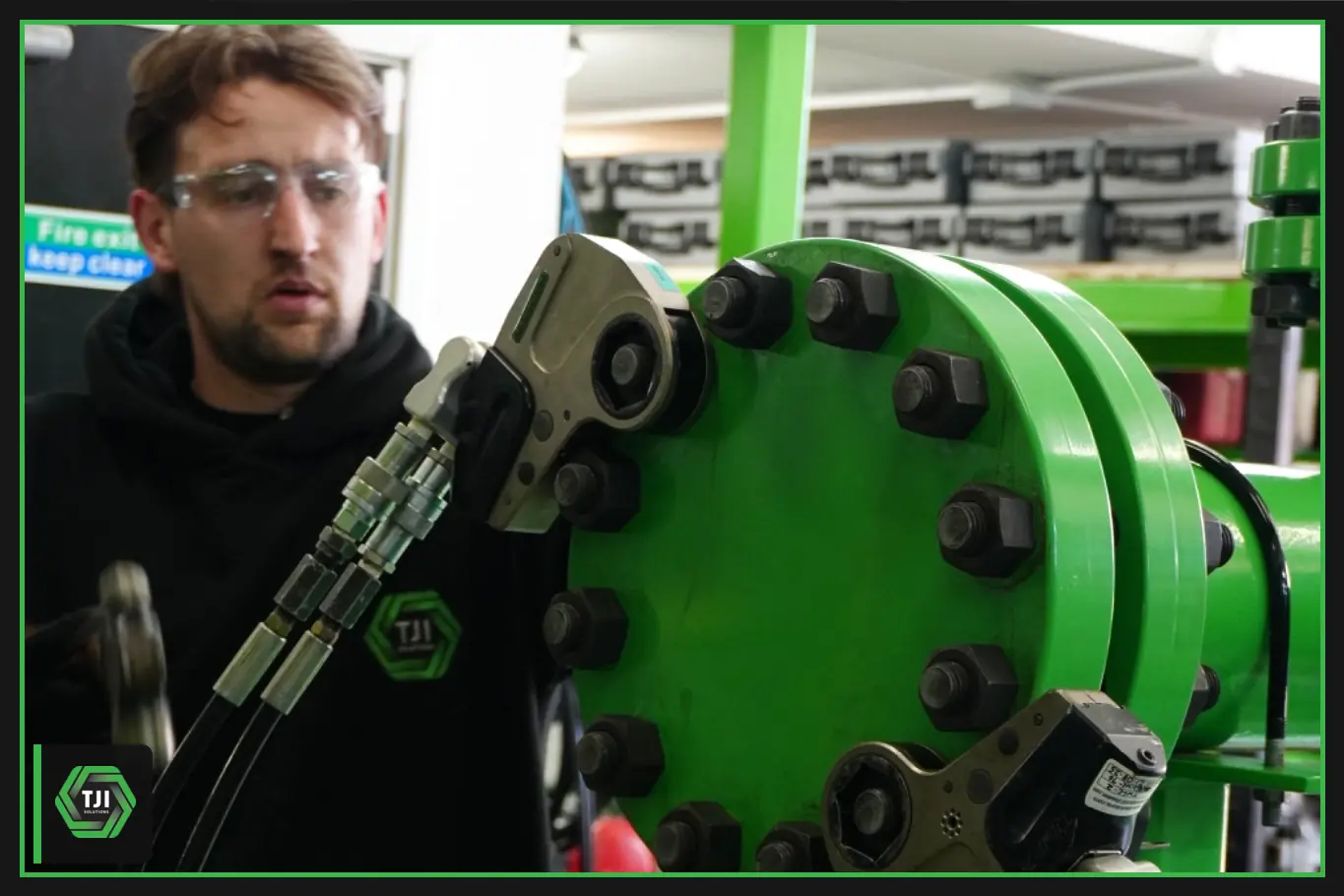
Designed for industrial tasks, hydraulic torque wrenches rely on hydraulic pressure to generate immense force.
- Applications: Oil and gas, construction, and other industries requiring heavy-duty tightening.
- Advantages: Ability to handle high torque values with ease.
- Considerations: Requires a power source and regular maintenance.
5. Electronic Torque Wrenches: Advanced Accuracy
Also known as digital torque wrenches, these tools incorporate a digital display for real-time torque readings.
- Why Choose This? Precision tasks like assembling delicate electronics or aircraft components.
- Features: LED screens, data storage, and even Bluetooth connectivity.
- Drawbacks: Higher cost compared to mechanical types.
6. Micrometer Torque Wrenches: Fine-Tuned Adjustments
Micrometer torque wrenches allow precise settings, making them ideal for repeatable applications.
- Applications: Automotive repair and precision engineering.
- Advantages: Adjustable scales and easy-to-use locking mechanisms.
- Maintenance: Regular calibration ensures consistent performance.
7. Preset Torque Wrenches: Designed for Specific Tasks
Preset models come pre-calibrated to a fixed torque value, eliminating the need for manual adjustment.
- Uses: High-volume assembly lines where uniform torque is crucial.
- Benefits: Enhanced consistency and reduced risk of human error.
- Limitations: Lack of versatility for multiple tasks.
8. Torque Screwdrivers: Precision for Small Fasteners
For delicate tasks involving small screws, torque screwdrivers provide accuracy and control.
- Applications: Electronics, eyewear, and medical equipment assembly.
- Features: Compact design and adjustable torque settings.
- Why They Matter: Prevents over-tightening in fragile components.
9. Torque Multipliers: Amplifying Force
Torque multipliers increase the applied force through a gear mechanism, making it easier to tighten large bolts.
- Where They Shine: Heavy machinery and vehicles.
- Advantages: Reduces physical effort while achieving high torque levels.
- Usage Tip: Ideal for situations where standard tools fall short.
10. Pneumatic Torque Wrenches: Air-Powered Efficiency
Operating with compressed air, pneumatic torque wrenches offer speed and power.
- Perfect For: Industrial environments with access to air systems.
- Advantages: Rapid operation and high torque capacity.
- Caveats: Requires an air compressor and regular upkeep.
How to Choose the Right Torque Wrench
Selecting the most suitable torque wrench depends on several factors:
- Application: Identify the type of tasks you’ll perform.
- Torque Range: Ensure the wrench covers the required torque values.
- Precision Needs: Opt for a dial or electronic model for high-accuracy work.
- Environment: Consider durability for harsh conditions.
- Budget: Weigh the cost against the features you need.
Understanding Calibration and Maintenance

Calibration ensures a torque wrench delivers accurate readings over time.
- How Often? Annually or after heavy use.
- Process: Typically involves adjusting the internal mechanism to match standardised settings.
- Why It’s Vital: Inaccurate tools can lead to faulty fastenings and compromised safety.
Common Accessories for Torque Wrenches
Enhance the functionality of your torque wrench with these add-ons:
- Interchangeable Heads: For flexibility across various bolt sizes.
- Extension Bars: Reach tight or awkward spaces.
- Protective Cases: Prevent damage during storage and transport.
When Should You Replace a Torque Wrench?
While durable, torque wrenches eventually wear out. Signs it’s time for a replacement include:
- Inconsistent Readings: Frequent calibration errors indicate underlying issues.
- Physical Damage: Bent or cracked components affect performance.
- Reduced Precision: Over time, wear and tear compromise accuracy.
FAQs
- What is the most accurate type of torque wrench?
Dial and digital torque wrenches offer the highest accuracy, making them ideal for precision tasks. - How often should I calibrate my torque wrench?
Most manufacturers recommend annual calibration or after approximately 5,000 uses. - Can a torque wrench be used for loosening bolts?
Some models allow reversible operation, but it’s not recommended for most wrenches due to potential damage. - What’s the difference between a beam and click torque wrench?
Beam wrenches rely on visual scales, while click wrenches produce an audible sound for ease of use. - Are torque wrenches suitable for DIY projects?
Absolutely. Many models cater to beginners and hobbyists, offering reliability at an affordable price. - Why is torque wrench calibration necessary? Calibration ensures accuracy, preventing over-tightening or under-tightening, which can lead to equipment failure.